The Buildings, Design and Construction (BDC) digital team in the Ministry of Housing, Communities and Local Government (MHCLG) has been working closely with policy colleagues and stakeholders to explore ways to improve construction safety as part of supporting the recommendations on systemic reforms set out in the Construction Products Reform White Paper.
In this blog post, we share how we’re using user research, mapping data flows and exploring common data standards to help make critical building safety information clearer, consistent and accessible, and how you can get involved.
The problem to solve
Information and data about buildings, things like what they are made of and how safe they are, is often unstructured, inconsistent and of poor quality. The construction industry is also behind many other industries in terms of digital adoption, with a lot of important information and documentation still stored on paper. This can have a negative impact on safety, productivity and innovation.
Important safety information about construction products, such as cladding materials, fire doors and steel, may be unavailable to decision makers like building designers or safety assessors, when they need it. The information may contain inaccuracies or be too ambiguous to be useful. This means critical safety decisions risk being made based on incorrect information or delayed while these data gaps are addressed.
Because data is not standardised, information is manually re-entered across computer systems, which takes time and increases the risk of error. Decision makers might also commission their own surveys or data collection if they can’t trust or understand existing data, resulting in duplicated time and effort.
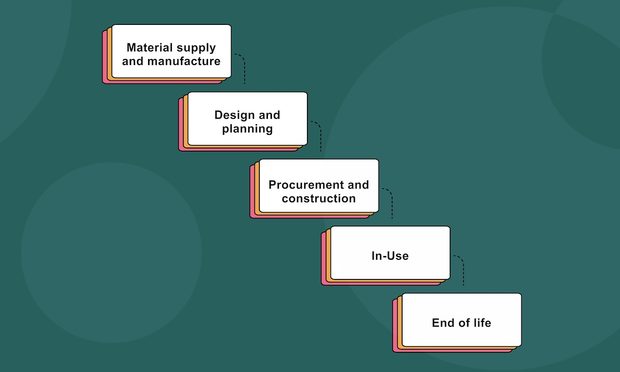
The government is exploring interventions, including common data standards, to improve the quality of information and how it flows across the lifecycle of a building, from material supply and manufacture through to end of life.
Why does this matter?
The Grenfell Tower Tragedy in 2017 led to a devastating loss of life and revealed systemic failures, including a pervasive crisis in the UK’s construction products regulatory system.
The Grenfell Tower Inquiry identified failings in how product information was handled, including how poor-quality, incomplete and sometimes misleading product information contributed to unsafe decisions about construction products.
In the Construction Products Reform White Paper, the government has committed to wide-reaching systemic reforms. These include creating a single regulator for construction products and making information about construction products clearer and more accessible.
The long-term aim of this work is for information about buildings and construction products to be consistent, easily understood and accessible by everyone who needs it, when they need it.
What we’re doing
Our multidisciplinary discovery team started by agreeing the scope of the work. The project is covering a huge system with potential for further expansion, so this was a critical step. This involved reviewing the existing evidence so we could identify the gaps, agree research questions, and identify key stakeholders to help us with the work.
The team has been mapping the entire building lifecycle to identify and visualise where information is created, maintained, and exchanged between different systems or organisations. To help bring this to life, we mapped the journey of a fire door across the building lifecycle. This takes us all the way from sourcing materials, through testing, supply, building design and installation, maintenance, right through to the end of a building’s life. These systems maps will help us identify where information challenges are most acute and why.
The team has also been researching existing technical data standards. Numerous industry standards exist, but none are consistently adopted. As we think about the future of this work and how to standardise information across the sector, it's important that we understand what we can learn from existing standards and standardisation initiatives and how these help data users across the system.
We’re now diving into some user research, too. This is a critical part of making sure our understanding of the information and data challenges across the system is robust and informed by those actually experiencing the challenges day to day.
To do this, we’re holding targeted stakeholder workshops to strengthen the evidence we have for how construction product data is created, managed, controlled and exchanged. It will also show us where across the building lifecycle users are experiencing the biggest data challenges, and what we can learn from existing standards and initiatives to improve further.
Making the policy process digital
We’ve been working closely with the Digital Front Door team and the wider Construction Products Division to bring policy and digital together to solve these challenges.
This approach has enabled our policy team to:
- build on existing systems mapping to deepen our understanding of the building system
- embed early user research and user-centred design into policy creation
- ensure policy interventions deliver clear outcomes for data users across the system
The BDC digital team is also learning from MHCLG’s Digital Planning team who established the powers to set data standards for local plans in the Levelling Up and Regeneration Act 2023 and Planning Data Regulations 2026.
Get involved – join our show and tells
We want to bring the sector with us on this journey. That’s why we’re hosting open show and tells, which will be used to share our mapping work and emerging insights, and to gather feedback.
The show and tells are open to any interested sector stakeholders and will take place every other Thursday from 11am to 12pm, with the next session scheduled for 5 November. If you’d like to come along, please complete this show and tell registration form.
You can watch our last show and tell held earlier in October.



Leave a comment