Design
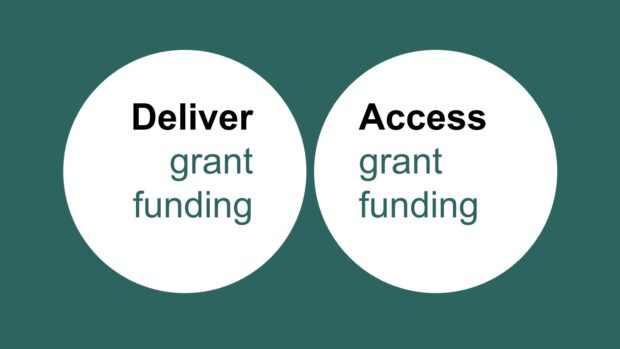
In this blog post, Kate Harries, head of user-centred design for the Funding Service, shares how the team have been creating a new sustainable digital service to provide a more user-centred and data rich experience for grant teams and grant recipients alike.
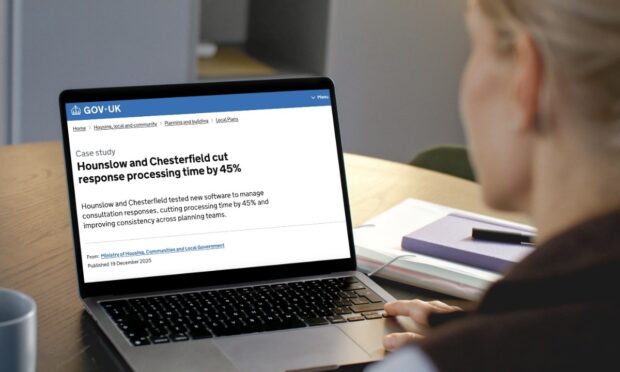
What turns a case study into something people can use? Insights from local planning authorities shaped a user-centred approach to a series of digital planning case studies, helping them sit alongside plan-making guidance, support peer learning and build confidence in how planning teams use digital tools.
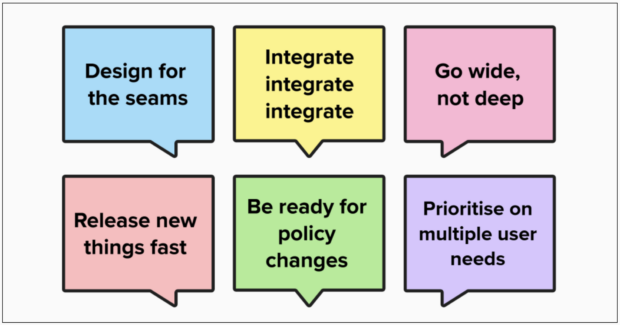
MHCLG's Funding Service is transforming how grants are delivered, saving time and money for the department and the communities we serve. As 2025 draws to a close, learn about the team's progress and ambitious plans for the new year, including creating a more joined up and integrated service that solves a whole problem for users.
What does a safe housing system look like when it works for residents? Learn how our System Design team’s research is informing thinking on a new regulator designed to protect residents and improve safety and quality across the built environment.
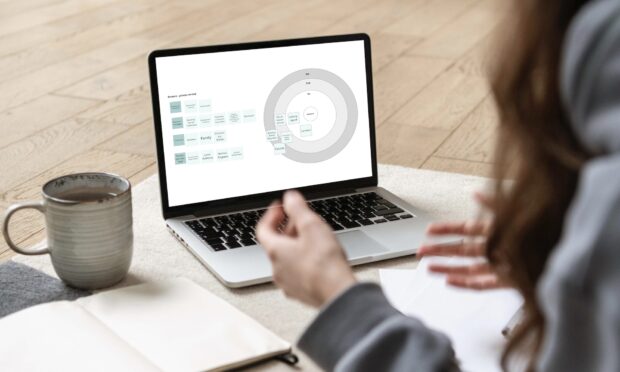
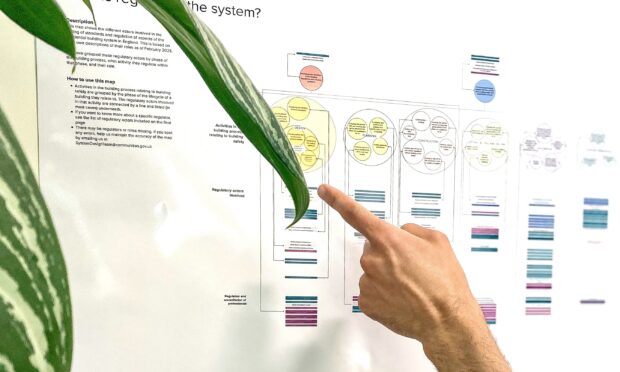
Where we live has a huge impact on our lives. The safety, quality and sustainability of our living environment is part of a vast and complex system. Learn how MHCLG's System Design team visualised this complex system, bringing real people’s experiences to life within it as part of their work to support user-centred policy design.
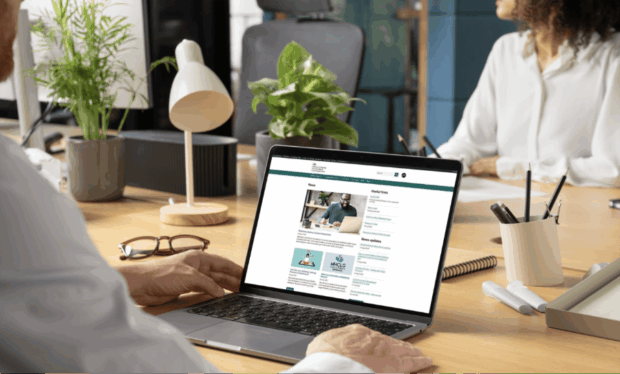
An intranet is an essential digital platform that connects employees within an organisation, giving them easy access to internal news and resources. Sian, content designer, shares how user-centred design transformed our department's intranet, streamlining communication, knowledge sharing and accessibility to help our UK-wide staff work more productively and efficiently.
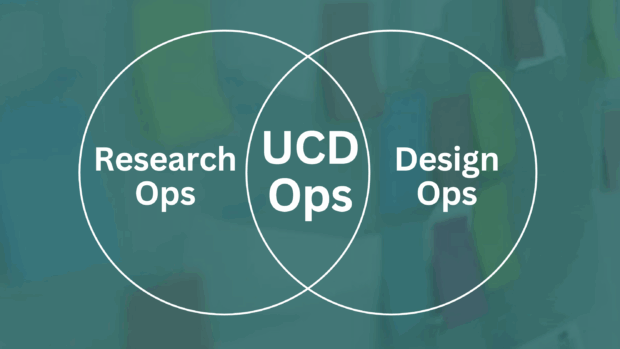
User-centred design (UCD) is integral to building and delivering more efficient and effective policy and services for the public we serve. Yana and Cathryn, UCD Operations (Ops) Managers within MHCLG, share insights on the unique role of UCD Ops and how it supports scaling up UCD practices and impact across the organisation.
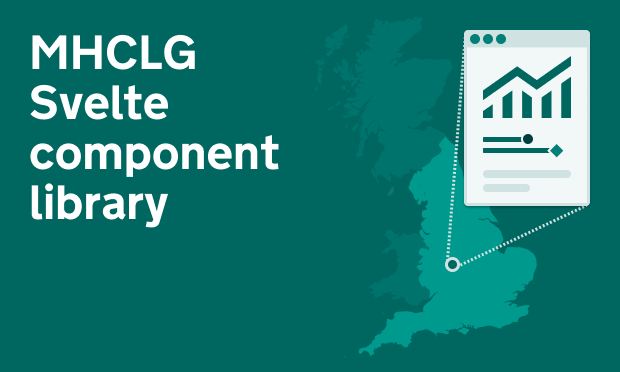
Developers across government often face the challenge of building hundreds of data-rich web pages that are both accessible and easy to understand. Without a standardised solution, this can lead to duplicated effort and inconsistent results. A team in MHCLG is tackling this by developing a flexible toolkit that combines GOV.UK design standards with powerful data …
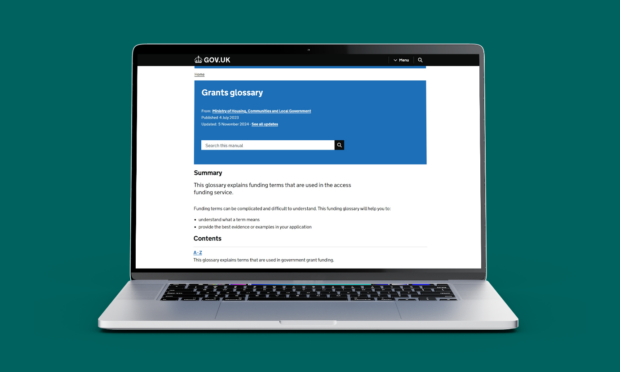
Read about the work content designers in the Funding Service are doing to improve their grants glossary in order to ensure consistency and meet diverse user needs. Find out more about how they’re adding and refining definitions, collaborating across teams, testing updates to improve user experience and how you can get involved.
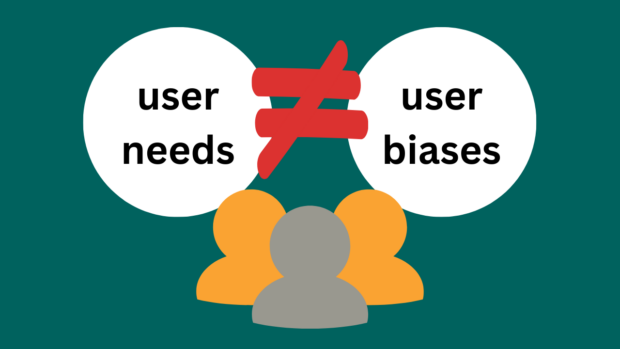
This post discusses the difference between user needs and user biases, the consequences user biases can have, and the strategies and techniques the Common Tools as a Service team has implemented in their user research to counteract them.